mirror of
https://github.com/Comfy-Org/ComfyUI_frontend.git
synced 2026-07-17 17:28:58 +00:00
 8206022982
*PR Created by the Glary-Bot Agent*
---
## Summary
Fix FE-559: browser forward/back to a deleted subgraph used to leave the
canvas on stale state (and sometimes triggered unrelated tab navigation)
because the subgraph id in the URL hash was looked up with no validation
or fallback.
## Changes
- **What**:
- Added `src/schemas/subgraphIdSchema.ts` — `zSubgraphId =
z.string().uuid()` + `isValidSubgraphId(value)` type guard, matching how
subgraph ids are persisted in `workflowSchema.ts` and generated by
`createUuidv4()`.
- `subgraphNavigationStore.navigateToHash()` now (a) validates the hash
with `isValidSubgraphId` before any lookup, (b) redirects to the root
graph (`router.replace('#' + root.id)` + `canvas.setGraph(root)`) when
the locator is malformed, missing from `root.subgraphs`, or still
unresolved after a workflow-load attempt.
- Replaced the `console.error('subgraph poofed after load?')` dead-end
with the same redirect helper.
- Re-ordered the "already on this graph" short-circuit so a stale canvas
reference to a now-deleted subgraph doesn't suppress the redirect.
## Review Focus
- TDD: 6 new tests in `subgraphNavigationStore.navigateToHash.test.ts`
cover valid navigation, deleted-subgraph hash, malformed (non-UUID)
hash, no-op when target equals current, empty-hash root case, and
stale-canvas recovery. 15 new tests in `subgraphIdSchema.test.ts` lock
down the validator.
- `redirectToRoot()` toggles `blockHashUpdate` while calling
`router.replace`, so the new redirect doesn't re-trigger `updateHash()`
and clobber the canvas state.
- Generalized validation: the new schema lives in `src/schemas/` and can
be reused anywhere a subgraph id crosses an untrusted boundary (URL,
IPC, etc.).
## Manual Verification
Ran ComfyUI backend (`--cpu --port 8188`) + frontend dev server, then
drove Playwright through three scenarios:
| Input hash | Result | Console |
|---|---|---|
| `#11111111-2222-4333-8444-555555555555` (UUID-shaped, non-existent) |
URL replaced with `#<root-id>` | `[subgraphNavigation] subgraph not
found: 11111111-…; redirecting to root graph` |
| `#not-a-valid-uuid` (malformed) | URL replaced with `#<root-id>` |
`[subgraphNavigation] invalid subgraph id in hash: not-a-valid-uuid;
redirecting to root graph` |
| `#aaaaaaaa-bbbb-4ccc-8ddd-eeeeeeeeeeee` (UUID-shaped, non-existent) |
URL replaced with `#<root-id>` | (same redirect message) |
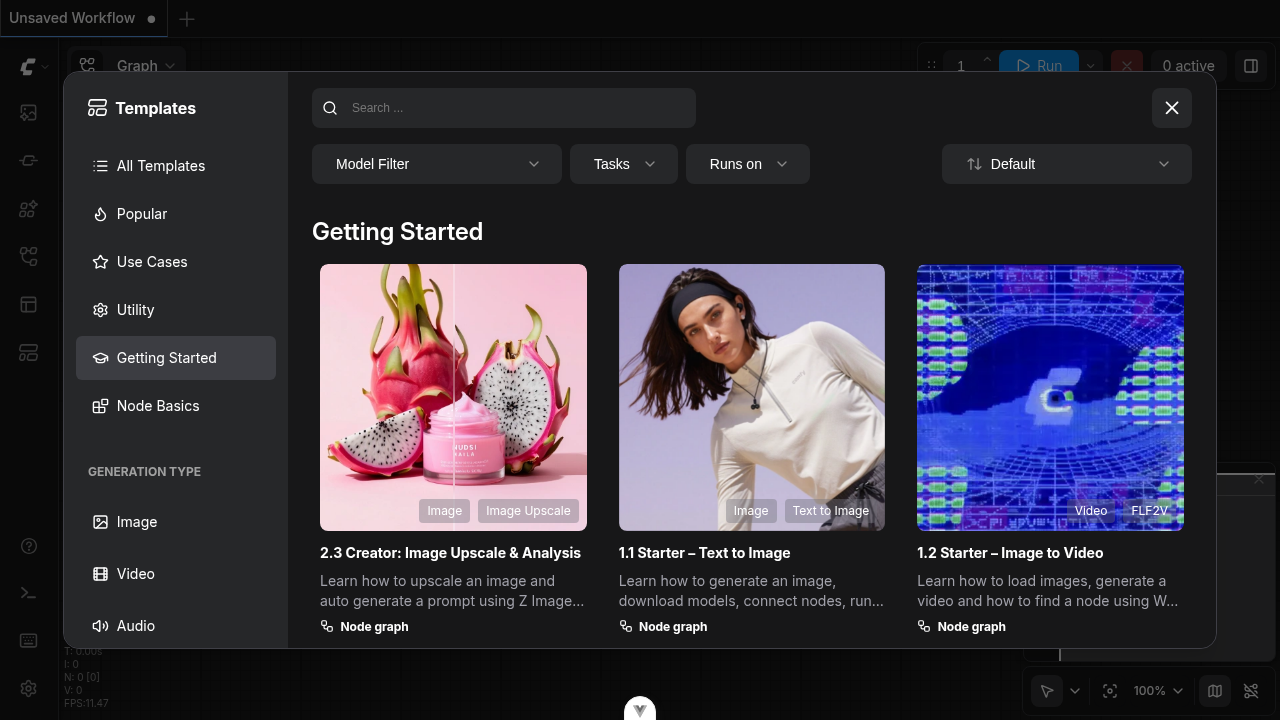
Screenshot below shows the redirected viewport.
Fixes FE-559
## Screenshots
┆Issue is synchronized with this [Notion
page](https://www.notion.so/PR-12169-fix-subgraph-validate-URL-hash-and-redirect-to-root-when-subgraph-missing-35e6d73d3650819f840af1475b9f44d4)
by [Unito](https://www.unito.io)
---------
Co-authored-by: Glary-Bot <glary-bot@users.noreply.github.com>
Co-authored-by: jaeone94 <89377375+jaeone94@users.noreply.github.com>

367 lines
12 KiB
TypeScript
367 lines
12 KiB
TypeScript
import QuickLRU from '@alloc/quick-lru'
|
|
import { useRouteHash } from '@vueuse/router'
|
|
import { defineStore } from 'pinia'
|
|
import { computed, ref, shallowRef, watch } from 'vue'
|
|
import {
|
|
NavigationFailureType,
|
|
isNavigationFailure,
|
|
useRouter
|
|
} from 'vue-router'
|
|
|
|
import type { DragAndScaleState } from '@/lib/litegraph/src/DragAndScale'
|
|
import type { Subgraph } from '@/lib/litegraph/src/litegraph'
|
|
import { useWorkflowStore } from '@/platform/workflow/management/stores/workflowStore'
|
|
import { useWorkflowService } from '@/platform/workflow/core/services/workflowService'
|
|
import { useCanvasStore } from '@/renderer/core/canvas/canvasStore'
|
|
import { requestSlotLayoutSyncForAllNodes } from '@/renderer/extensions/vueNodes/composables/useSlotElementTracking'
|
|
import { isUuidShapedSubgraphId } from '@/schemas/subgraphIdSchema'
|
|
import { app } from '@/scripts/app'
|
|
import { useLitegraphService } from '@/services/litegraphService'
|
|
import { findSubgraphPathById } from '@/utils/graphTraversalUtil'
|
|
import { isNonNullish, isSubgraph } from '@/utils/typeGuardUtil'
|
|
|
|
export const VIEWPORT_CACHE_MAX_SIZE = 32
|
|
|
|
/**
|
|
* Stores the current subgraph navigation state; a stack representing subgraph
|
|
* navigation history from the root graph to the subgraph that is currently
|
|
* open.
|
|
*/
|
|
export const useSubgraphNavigationStore = defineStore(
|
|
'subgraphNavigation',
|
|
() => {
|
|
const workflowStore = useWorkflowStore()
|
|
const canvasStore = useCanvasStore()
|
|
const router = useRouter()
|
|
const routeHash = useRouteHash()
|
|
|
|
/** The currently opened subgraph. */
|
|
const activeSubgraph = shallowRef<Subgraph>()
|
|
|
|
/** The stack of subgraph IDs from the root graph to the currently opened subgraph. */
|
|
const idStack = ref<string[]>([])
|
|
|
|
/** LRU cache for viewport states. Key: `workflowPath:graphId` */
|
|
const viewportCache = new QuickLRU<string, DragAndScaleState>({
|
|
maxSize: VIEWPORT_CACHE_MAX_SIZE
|
|
})
|
|
|
|
/** Get the ID of the root graph for the currently active workflow. */
|
|
const getCurrentRootGraphId = () => {
|
|
const canvas = canvasStore.getCanvas()
|
|
return canvas.graph?.rootGraph?.id ?? 'root'
|
|
}
|
|
|
|
/**
|
|
* Set by saveCurrentViewport() (called from beforeLoadNewGraph) to
|
|
* prevent onNavigated from re-saving a stale viewport during the
|
|
* workflow switch transition. Uses setTimeout instead of rAF so the
|
|
* flag resets even when the tab is backgrounded.
|
|
*/
|
|
let isWorkflowSwitching = false
|
|
// ── Helpers ──────────────────────────────────────────────────────
|
|
|
|
/** Build a workflow-scoped cache key. */
|
|
function buildCacheKey(
|
|
graphId: string,
|
|
workflowRef?: { path?: string } | null
|
|
): string {
|
|
const wf = workflowRef ?? workflowStore.activeWorkflow
|
|
const prefix = wf?.path ?? ''
|
|
return `${prefix}:${graphId}`
|
|
}
|
|
|
|
/** ID of the graph currently shown on the canvas. */
|
|
function getActiveGraphId(): string {
|
|
const canvas = canvasStore.getCanvas()
|
|
return canvas?.subgraph?.id ?? getCurrentRootGraphId()
|
|
}
|
|
|
|
// ── Navigation stack ─────────────────────────────────────────────
|
|
|
|
/**
|
|
* A stack representing subgraph navigation history from the root graph to
|
|
* the current opened subgraph.
|
|
*/
|
|
const navigationStack = computed(() =>
|
|
idStack.value
|
|
.map((id) => app.rootGraph.subgraphs.get(id))
|
|
.filter(isNonNullish)
|
|
)
|
|
|
|
/**
|
|
* Restore the navigation stack from a list of subgraph IDs.
|
|
* @see exportState
|
|
*/
|
|
const restoreState = (subgraphIds: string[]) => {
|
|
idStack.value.length = 0
|
|
for (const id of subgraphIds) idStack.value.push(id)
|
|
}
|
|
|
|
/**
|
|
* Export the navigation stack as a list of subgraph IDs.
|
|
* @see restoreState
|
|
*/
|
|
const exportState = () => [...idStack.value]
|
|
|
|
// ── Viewport save / restore ──────────────────────────────────────
|
|
|
|
/** Get the current viewport state, or null if the canvas is not available. */
|
|
const getCurrentViewport = (): DragAndScaleState | null => {
|
|
const canvas = canvasStore.getCanvas()
|
|
if (!canvas) return null
|
|
return {
|
|
scale: canvas.ds.state.scale,
|
|
offset: [...canvas.ds.state.offset]
|
|
}
|
|
}
|
|
|
|
/** Save the current viewport state for a graph. */
|
|
function saveViewport(graphId: string, workflowRef?: object | null): void {
|
|
const viewport = getCurrentViewport()
|
|
if (!viewport) return
|
|
viewportCache.set(buildCacheKey(graphId, workflowRef), viewport)
|
|
}
|
|
|
|
/** Apply a viewport state to the canvas. */
|
|
function applyViewport(viewport: DragAndScaleState): void {
|
|
const canvas = app.canvas
|
|
if (!canvas) return
|
|
canvas.ds.scale = viewport.scale
|
|
canvas.ds.offset[0] = viewport.offset[0]
|
|
canvas.ds.offset[1] = viewport.offset[1]
|
|
canvas.setDirty(true, true)
|
|
}
|
|
|
|
function restoreViewport(graphId: string): void {
|
|
const canvas = app.canvas
|
|
if (!canvas) return
|
|
|
|
const expectedKey = buildCacheKey(graphId)
|
|
const viewport = viewportCache.get(expectedKey)
|
|
if (viewport) {
|
|
applyViewport(viewport)
|
|
return
|
|
}
|
|
|
|
// First visit — fit to content so subgraph nodes are visible
|
|
requestAnimationFrame(() => {
|
|
if (getActiveGraphId() !== graphId) return
|
|
if (!canvas.graph?.nodes?.length) return
|
|
useLitegraphService().fitView()
|
|
// fitView changes scale/offset, so re-sync slot positions for
|
|
// collapsed nodes whose DOM-relative measurement is now stale.
|
|
requestAnimationFrame(() => {
|
|
if (getActiveGraphId() !== graphId) return
|
|
requestSlotLayoutSyncForAllNodes()
|
|
})
|
|
})
|
|
}
|
|
|
|
// ── Navigation handler ───────────────────────────────────────────
|
|
|
|
function onNavigated(
|
|
subgraph: Subgraph | undefined,
|
|
prevSubgraph: Subgraph | undefined
|
|
): void {
|
|
// During a workflow switch, beforeLoadNewGraph already saved the
|
|
// outgoing viewport — skip the save here to avoid caching stale
|
|
// canvas state from the transition.
|
|
if (!isWorkflowSwitching) {
|
|
if (prevSubgraph) {
|
|
saveViewport(prevSubgraph.id)
|
|
} else if (!prevSubgraph && subgraph) {
|
|
saveViewport(getCurrentRootGraphId())
|
|
}
|
|
}
|
|
|
|
const isInRootGraph = !subgraph
|
|
if (isInRootGraph) {
|
|
idStack.value.length = 0
|
|
restoreViewport(getCurrentRootGraphId())
|
|
return
|
|
}
|
|
|
|
const path = findSubgraphPathById(subgraph.rootGraph, subgraph.id)
|
|
const isInReachableSubgraph = !!path
|
|
if (isInReachableSubgraph) {
|
|
idStack.value = [...path]
|
|
} else {
|
|
idStack.value = [subgraph.id]
|
|
}
|
|
|
|
restoreViewport(subgraph.id)
|
|
}
|
|
|
|
// ── Watchers ─────────────────────────────────────────────────────
|
|
|
|
// Sync flush ensures we capture the outgoing viewport before any other
|
|
// watchers or DOM updates from the same state change mutate the canvas.
|
|
watch(
|
|
() => workflowStore.activeSubgraph,
|
|
(newValue, oldValue) => {
|
|
onNavigated(newValue, oldValue)
|
|
},
|
|
{ flush: 'sync' }
|
|
)
|
|
|
|
// Counter so nested/overlapping async navigations don't release
|
|
// suppression early; gates both the canvasStore.currentGraph watcher
|
|
// (updateHash) and the routeHash watcher to prevent re-entrant
|
|
// navigateToHash calls during router.replace().
|
|
let blockNavDepth = 0
|
|
let initialLoad = true
|
|
|
|
async function withNavBlocked<T>(op: () => Promise<T>): Promise<T> {
|
|
blockNavDepth++
|
|
try {
|
|
return await op()
|
|
} finally {
|
|
blockNavDepth--
|
|
}
|
|
}
|
|
|
|
function ensureCanvasOnRoot() {
|
|
const root = app.rootGraph
|
|
const canvas = canvasStore.getCanvas()
|
|
if (!root || !canvas) return
|
|
if (canvas.graph?.id !== root.id) canvas.setGraph(root)
|
|
}
|
|
|
|
async function redirectToRoot(reason: string) {
|
|
const root = app.rootGraph
|
|
console.warn(`[subgraphNavigation] ${reason}; redirecting to root graph`)
|
|
try {
|
|
await withNavBlocked(() => router.replace('#' + root.id))
|
|
} catch (err) {
|
|
if (
|
|
!isNavigationFailure(err, NavigationFailureType.duplicated) &&
|
|
!isNavigationFailure(err, NavigationFailureType.cancelled)
|
|
) {
|
|
console.warn(
|
|
'[subgraphNavigation] router.replace rejected during recovery',
|
|
err
|
|
)
|
|
}
|
|
} finally {
|
|
ensureCanvasOnRoot()
|
|
}
|
|
}
|
|
|
|
async function navigateToHash(newHash: string) {
|
|
const root = app.rootGraph
|
|
const locatorId = newHash?.slice(1) || root.id
|
|
const canvas = canvasStore.getCanvas()
|
|
|
|
const isRoot = locatorId === root.id
|
|
const targetGraph = isRoot
|
|
? root
|
|
: isUuidShapedSubgraphId(locatorId)
|
|
? root.subgraphs.get(locatorId)
|
|
: undefined
|
|
if (targetGraph) {
|
|
if (canvas.graph?.id === targetGraph.id) return
|
|
return canvas.setGraph(targetGraph)
|
|
}
|
|
|
|
//Search all open workflows
|
|
for (const workflow of workflowStore.openWorkflows) {
|
|
const { activeState } = workflow
|
|
if (!activeState) continue
|
|
const subgraphs = activeState.definitions?.subgraphs ?? []
|
|
for (const graph of [activeState, ...subgraphs]) {
|
|
if (graph.id !== locatorId) continue
|
|
// This will trigger a navigation, which can break forward history.
|
|
// After openWorkflow resolves, app.rootGraph has been swapped, so we
|
|
// intentionally re-read app.rootGraph below instead of using the
|
|
// `root` captured at function entry.
|
|
try {
|
|
await withNavBlocked(() =>
|
|
useWorkflowService().openWorkflow(workflow)
|
|
)
|
|
} catch (err) {
|
|
console.warn(
|
|
'[subgraphNavigation] openWorkflow rejected during recovery',
|
|
err
|
|
)
|
|
return redirectToRoot('workflow load failed')
|
|
}
|
|
const loadedGraph =
|
|
app.rootGraph.id === locatorId
|
|
? app.rootGraph
|
|
: app.rootGraph.subgraphs.get(locatorId)
|
|
if (!loadedGraph) {
|
|
return redirectToRoot('subgraph not found after workflow load')
|
|
}
|
|
if (canvas.graph?.id === loadedGraph.id) return
|
|
return canvas.setGraph(loadedGraph)
|
|
}
|
|
}
|
|
|
|
await redirectToRoot(`subgraph not found: ${locatorId}`)
|
|
}
|
|
|
|
async function safeRouterCall(op: () => Promise<unknown>, label: string) {
|
|
try {
|
|
await op()
|
|
} catch (err) {
|
|
if (!isNavigationFailure(err, NavigationFailureType.duplicated)) {
|
|
console.warn(`[subgraphNavigation] ${label} rejected`, err)
|
|
}
|
|
}
|
|
}
|
|
|
|
async function updateHash() {
|
|
if (blockNavDepth > 0) return
|
|
if (initialLoad) {
|
|
initialLoad = false
|
|
if (!routeHash.value) return
|
|
await navigateToHash(routeHash.value)
|
|
const graph = canvasStore.getCanvas().graph
|
|
if (isSubgraph(graph)) workflowStore.activeSubgraph = graph
|
|
return
|
|
}
|
|
|
|
const newId = canvasStore.getCanvas().graph?.id ?? ''
|
|
if (!routeHash.value) {
|
|
await safeRouterCall(
|
|
() => router.replace('#' + app.rootGraph.id),
|
|
'router.replace'
|
|
)
|
|
}
|
|
const currentId = routeHash.value?.slice(1)
|
|
if (!newId || newId === currentId) return
|
|
|
|
await safeRouterCall(() => router.push('#' + newId), 'router.push')
|
|
}
|
|
watch(() => canvasStore.currentGraph, updateHash)
|
|
watch(routeHash, () => {
|
|
if (blockNavDepth > 0) return
|
|
void navigateToHash(String(routeHash.value))
|
|
})
|
|
|
|
/** Save the current viewport for the active graph/workflow. Called by
|
|
* workflowService.beforeLoadNewGraph() before the canvas is overwritten. */
|
|
function saveCurrentViewport(): void {
|
|
saveViewport(getActiveGraphId())
|
|
isWorkflowSwitching = true
|
|
setTimeout(() => {
|
|
isWorkflowSwitching = false
|
|
}, 0)
|
|
}
|
|
|
|
return {
|
|
activeSubgraph,
|
|
navigationStack,
|
|
restoreState,
|
|
exportState,
|
|
saveViewport,
|
|
restoreViewport,
|
|
saveCurrentViewport,
|
|
updateHash,
|
|
/** @internal Exposed for test assertions only. */
|
|
viewportCache
|
|
}
|
|
}
|
|
)
|